
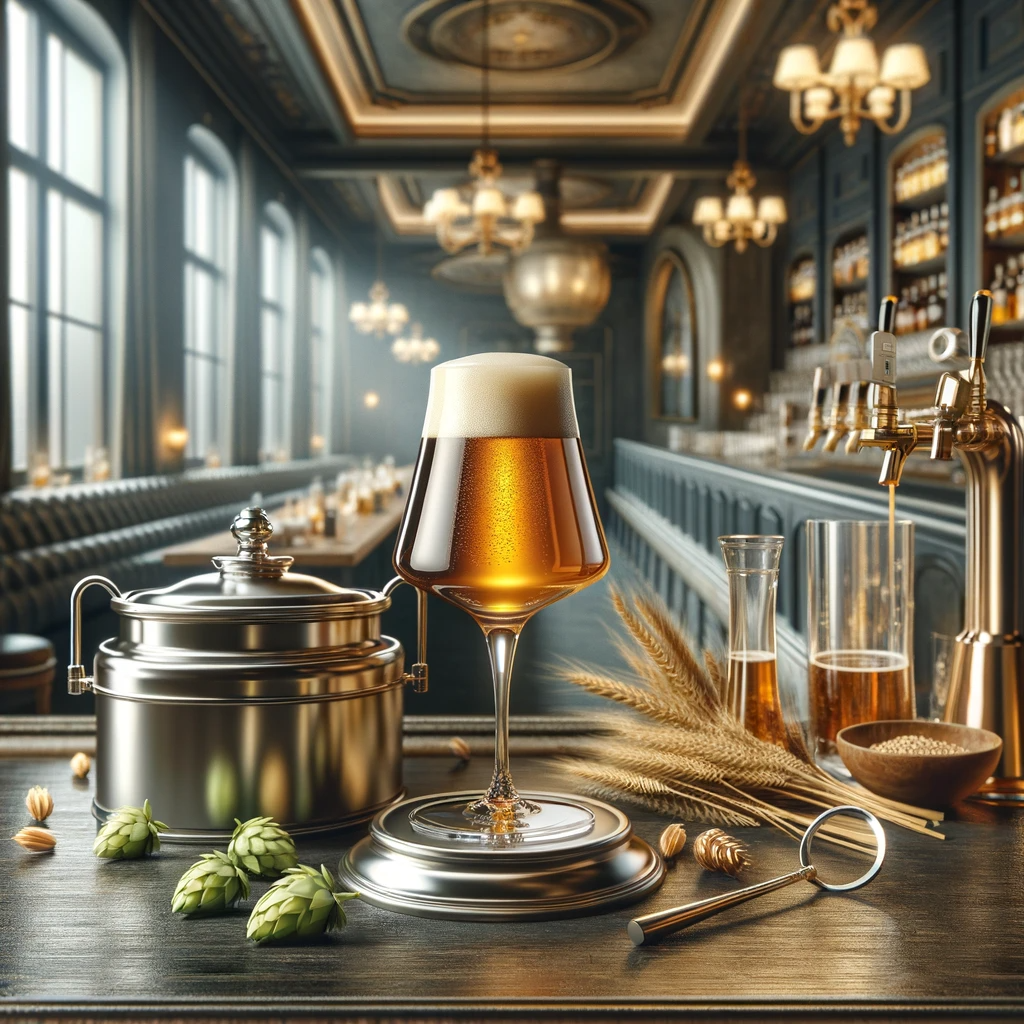
In the evolving world of beverages, non-alcoholic (NA) beers have carved out a unique niche, emerging not just as an alternative to their alcoholic counterparts, but as a premium category in their own right. Let’s explore the multifaceted reasons behind their pricing, reflecting the true value they offer in today’s market.
Craftsmanship and Production
The production of non-alcoholic beer is a testament to innovation and precision. This process, often more complex than that of regular beer, involves state-of-the-art techniques like vacuum distillation and reverse osmosis, requiring significant technological advancement and skilled labor. The intricacy of this process can be compared to the meticulous art of winemaking, where each step contributes significantly to the final flavor profile and quality. Brian Sudano, managing partner at Beverage Marketing Corporation, emphasizes the uniqueness of non-alcoholic beer, primarily appealing to a mature demographic. The investment in such advanced production methods not only elevates the final product but also justifies its price point.
Quality Ingredients
Mirroring their alcoholic counterparts, non-alcoholic beers use premium ingredients such as high-quality hops, malt, and yeast. The commitment to quality is unwavering, often incorporating additional herbs or spices to enhance flavor profiles. This dedication to quality contributes not only to the taste but also to the overall experience of the beverage, warranting a similar price tag as premium alcoholic beers. The cost of these ingredients, often sourced from specialized suppliers, adds a significant value to the final product, making it a luxury item in its own right.
Research and Development
Breweries invest heavily in research and development to perfect a non-alcoholic brew that meets today’s high consumer standards. This sector has seen a surge in investment as companies strive to create products that not only mimic the taste of traditional beer but also offer new and unique flavors. Continuous innovation and quality assurance play a crucial role in justifying the pricing of NA beers. Scott Scanlon from IRI notes the broad appeal of these beers across various age groups, underlining the wide-reaching impact of these R&D efforts. This investment is pivotal in ensuring that non-alcoholic beers remain at the forefront of consumer trends.
Market Demand and Scale
Although smaller than the alcoholic beverage market, the non-alcoholic beer market is experiencing significant growth. Future Market Insights reports an expected increase of 8% CAGR over the forecast period, compared to a 2.7% CAGR from 2018 to 2022. This rapid growth rate indicates a rising consumer demand and market potential for non-alcoholic beers, signaling that consumers recognize and are willing to pay for the value these products provide. The growing awareness around health and wellness, coupled with a cultural shift towards mindful consumption, has played a significant role in this market expansion.
Packaging and Branding
The marketing and packaging efforts for non-alcoholic beers match those of premium alcoholic brands, adding to both the cost and perceived value of the product. Kaleigh Theriault from NielsenIQ highlights how packaging and branding align with the health-conscious trends of modern consumers. This level of detail in branding is crucial for standing out in a competitive market, further justifying the price. The design and marketing strategies employed are often similar to those used in luxury goods, emphasizing the product’s premium nature.
Consumer Trends and Perceptions
Modern consumers are increasingly gravitating towards products that align with their lifestyle and values. Non-alcoholic beers cater to a wide range of consumers, from those seeking healthier alternatives to alcohol to individuals participating in movements like Dry January or the sober-curious trend. The appeal of non-alcoholic beers extends beyond just the absence of alcohol; they offer a sophisticated and responsible choice for social occasions, aligning with a contemporary approach to consumption.
The Environmental and Social Impact
Another dimension adding to the value of non-alcoholic beers is the environmental and social impact of their production. Many breweries are now adopting sustainable practices, reducing water usage, and lowering carbon footprints, which resonate with environmentally conscious consumers. Additionally, the promotion of responsible drinking contributes positively to social wellbeing, aligning with the values of a growing segment of the market.
Parting Sip:
At NoProofPour.com, we firmly believe that non-alcoholic beers offer an experience that rivals that of alcoholic beers. Grace Wood from IBISWorld reiterates the growing health consciousness among consumers, further fueling demand for non-alcoholic beer. The pricing of non-alcoholic beers is not merely a reflection of production costs but also of the value they provide in terms of quality, innovation, social responsibility, and environmental sustainability. Their uniqueness, craftsmanship, and the benefits



Leave a Reply