
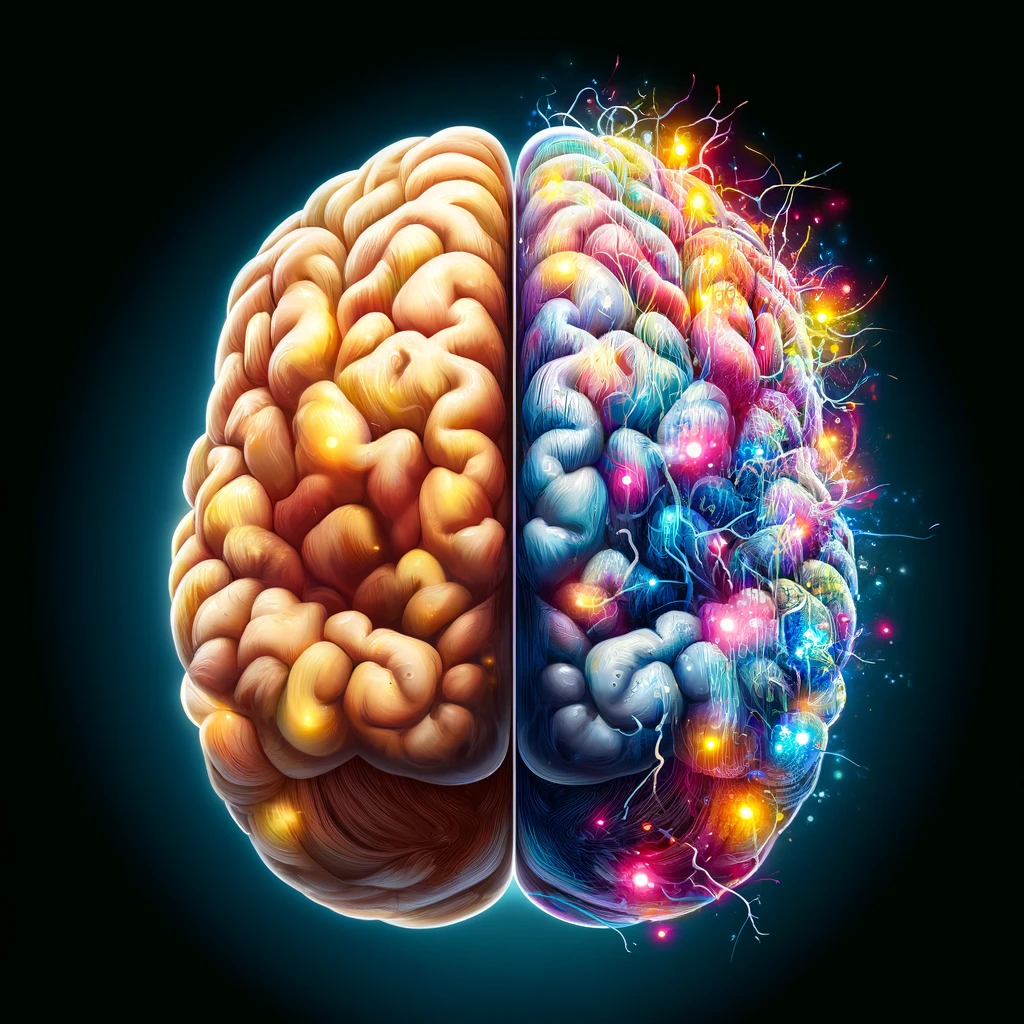
We’re nearing the completion of our deck extension, and I’m already envisioning a perfect evening with friends and neighbors. Under the gentle glow of string lights, the grill smokes a 17-pound packer brisket, filling the air with irresistible aromas. There’s laughter, music, and clinking glasses—but this time, the beers are non-alcoholic. Choosing a non-alcoholic option might seem unusual at first, but it offers significant benefits for our brains, particularly when considering the effects of alcohol on the brain.
Think about the common aftermath of a night out with traditional alcoholic drinks: waking up groggy and regretful. That uncomfortable fog isn’t just unpleasant—it’s a sign of your brain grappling with alcohol’s effects. It impairs cognitive functions, making simple tasks daunting and clouding judgment. This awareness of the effects of alcohol on the brain made me reconsider my own drinking habits.
Now consider someone else’s story, where waking up often meant piecing together fragments of the previous evening. The impact of alcohol on memory formation can be startling, with entire conversations and experiences lost to the void. Witnessing others struggle to recall the night before has served as a powerful warning about the subtle dangers of alcohol.
These immediate effects are troubling, but the long-term impacts are even more profound. Chronic alcohol use can permanently alter brain structure, shrinking tissues and affecting areas responsible for learning and memory. Learning about severe conditions like Wernicke-Korsakoff Syndrome, which results from alcohol’s devastation, was a significant wake-up call.
Another underestimated impact of alcohol is on sleep quality. Many believe that a drink before bed aids relaxation, but alcohol actually disrupts the sleep cycle, leading to less restful nights. When I opted for non-alcoholic alternatives, the difference was clear: I woke up refreshed and ready for the day, a stark contrast to the restlessness following an alcohol-laden evening.
Switching to non-alcoholic beer didn’t mean missing out on festive gatherings. Instead, it enhanced them. I could still enjoy the rich, familiar taste of beer, share in the laughter, and create lasting memories, all while keeping my mind sharp. This choice evolved into a lifestyle decision, prioritizing health and clarity without sacrificing the joy of social interactions.
Opting for non-alcoholic beer means embracing a lifestyle that values health and enjoyment equally. It protects the brain, improves sleep quality, and allows everyone to relish the evening without the next-day regrets. This journey has been transformative for many, including myself, and I encourage exploring the non-alcoholic route. It’s not about what you’re missing; it’s about the gains: clearer mornings, richer experiences, and a healthier, happier brain.


Leave a Reply